
Identify the surface
We inspect the tile or stone, grout condition, sealant, cracks, loose areas, coatings and heavy buildup. Sensitive natural stone is identified before products or pressure are selected.
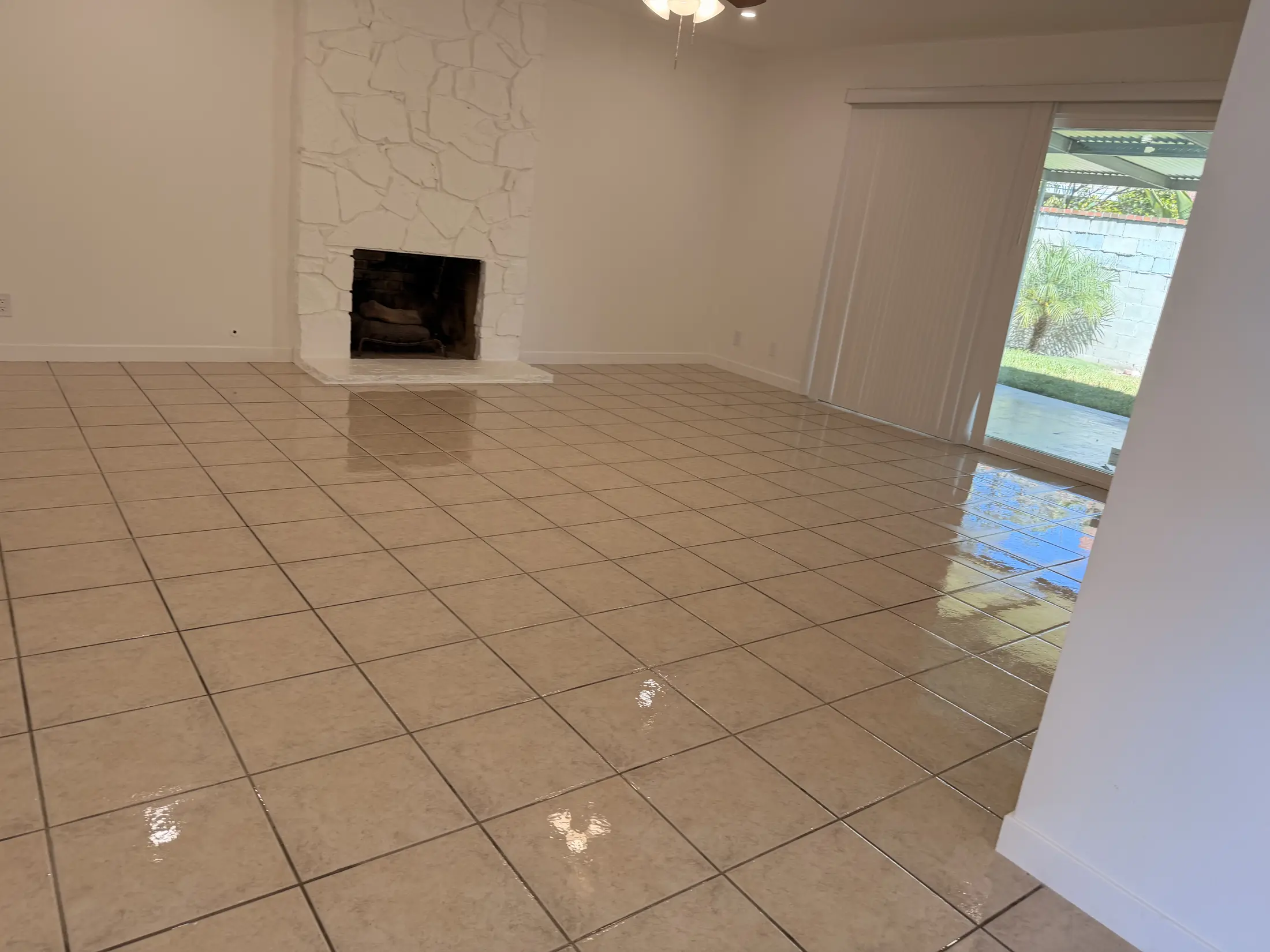
Professional hard-surface care in Orange County
Detailed cleaning for tile floors and grout lines—with surface identification, solution dwell time, agitation, pressure rinsing and controlled extraction.
Tile and grout cleaning Orange County
Tile is durable, but grout lines and textured pores can collect soil even when the floor is swept and mopped regularly. Repeated cleaning may move residue across the surface without fully lifting buildup from recessed joints and low points.
Professional tile and grout cleaning combines solution, agitation, pressure and extraction. The process loosens attached soil, rinses the surface and recovers dirty water so it is removed rather than redistributed across the floor.
Material identification matters. Ceramic and porcelain tile respond differently from natural stone such as marble, travertine and terracotta. We evaluate the surface first because an overly aggressive solution or tool can damage sensitive material.
Kitchens, bathrooms, entryways and other busy rooms often benefit most from detailed edge work and attention to darkened grout lines. We discuss expected improvement, existing damage and any areas that may require specialized care before cleaning.
Our process
The visible rinse is only one part of the service. Preparation, material identification and controlled recovery help turn surface scrubbing into a more complete floor-cleaning process.
We adjust solution, agitation and pressure for the tile, grout and condition found on site.
We inspect the tile or stone, grout condition, sealant, cracks, loose areas, coatings and heavy buildup. Sensitive natural stone is identified before products or pressure are selected.
A surface-appropriate cleaning solution is applied and given time to loosen attached soil. Grout lines, edges and problem areas receive focused mechanical or manual agitation.
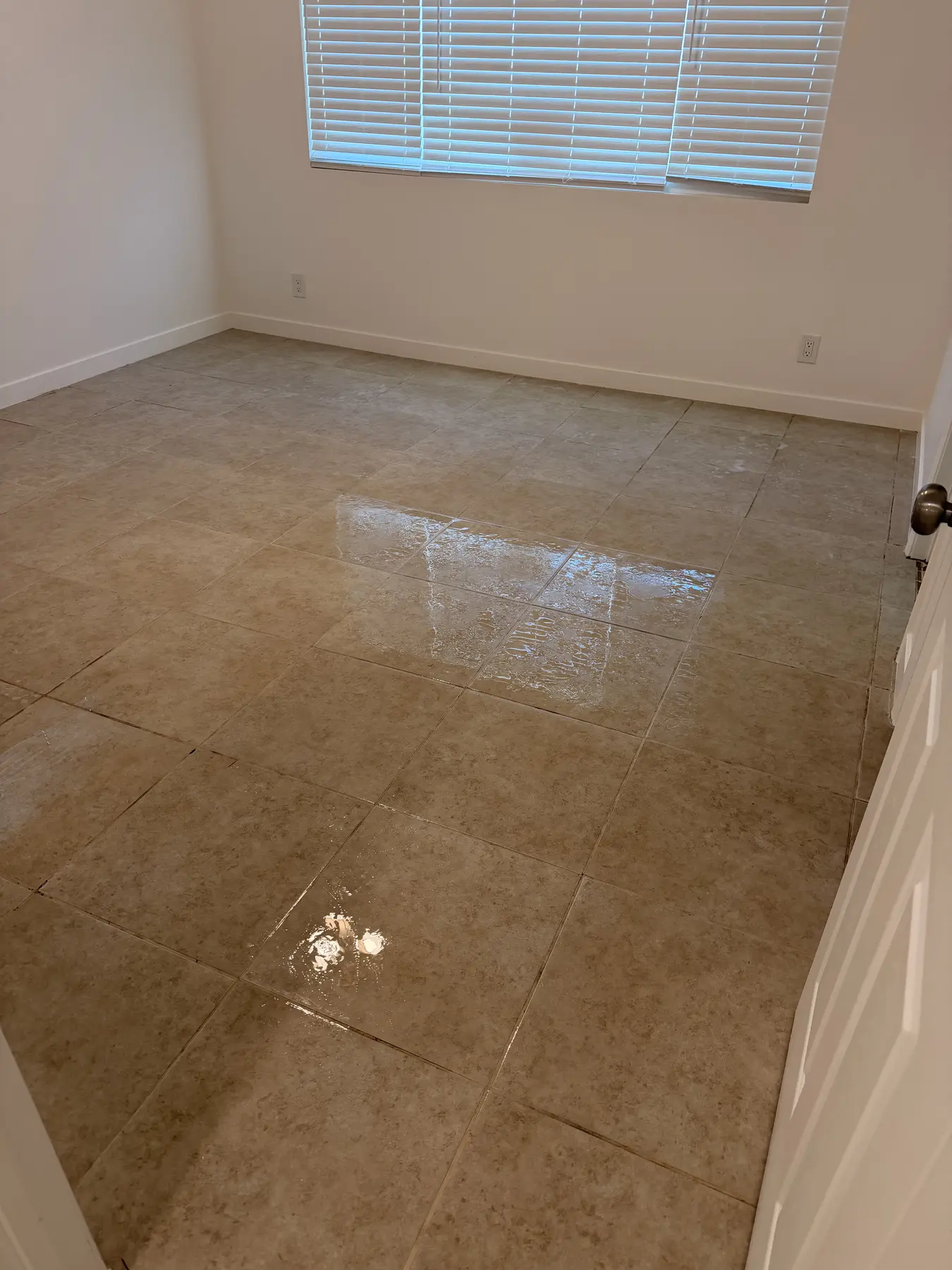
The floor is pressure rinsed with suitable equipment while loosened soil and moisture are recovered. This helps remove dirty solution rather than leaving it to settle back into grout.
Corners, transitions and remaining areas are checked. We review the cleaned floor, identify permanent discoloration or damage and explain practical drying and maintenance guidance.
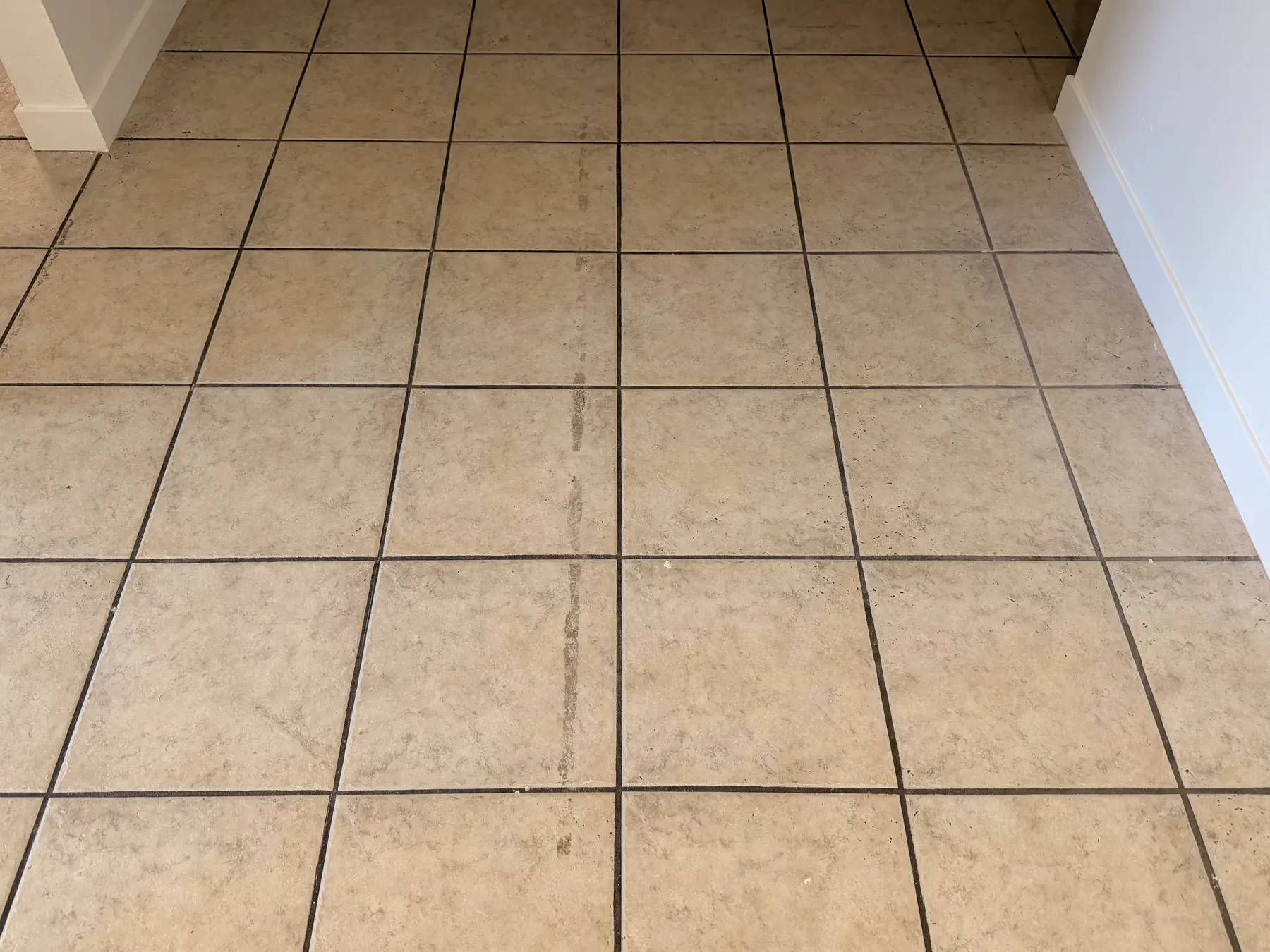
Hard surfaces we assess
Tile and grout are found in rooms with very different demands. We evaluate the floor system, not just the visible tile, before deciding how to clean it.
Tell us if the floor has been sealed, polished, waxed, coated or treated with a household grout product. Previous treatments can affect both the available process and the appearance after cleaning.
Grout and edge detailing
Grout sits lower than the tile face and can be more porous, so it often shows soil before the surrounding surface. Corners, base edges and transitions may also hold buildup that a flat mop does not reach well.
We use agitation to work cleaning solution into those areas before the pressure-rinse and extraction step. The exact tools and chemistry depend on grout condition and the type of tile or stone.
Cleaning can remove removable soil, but it does not repair cracked grout, replace missing sealant or reverse permanent color change. We point out those conditions during the walk-through.
Why choose us
Hard-surface cleaning is most effective when equipment and chemistry match the material. We combine a systematic process with clear limits around damaged or sensitive surfaces.
We identify ceramic, porcelain and natural-stone considerations before selecting solution, agitation and pressure.
Pressure rinsing is paired with extraction so loosened buildup and dirty water are recovered from the floor.
Edges, grout lines and transitions receive focused attention, followed by a final review and straightforward maintenance guidance.
Pressure rinse and recovery
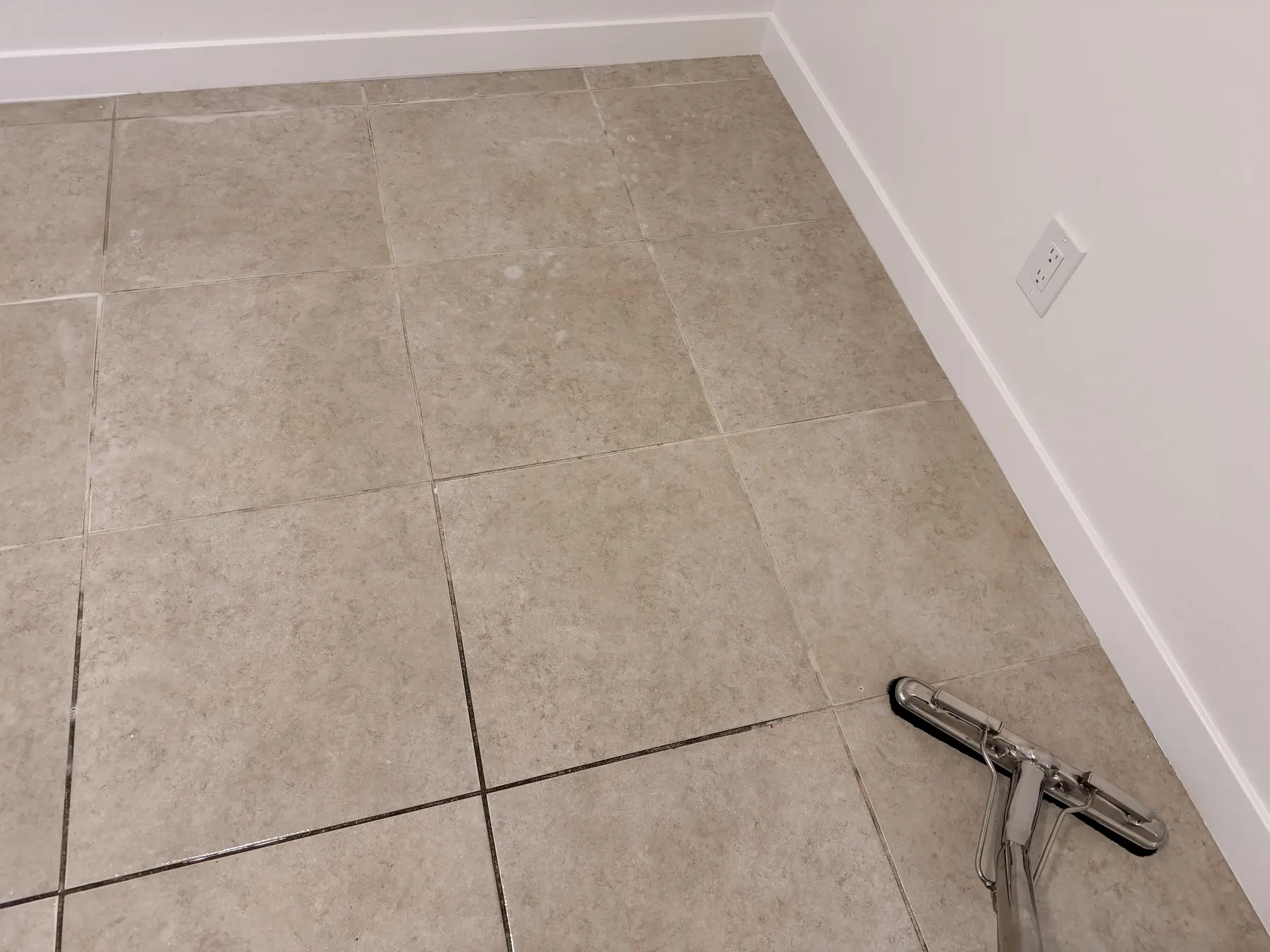
After solution and agitation have loosened buildup, a professional hard-surface tool delivers a controlled rinse across the floor. The enclosed head helps direct spray toward the working area.
Vacuum recovery removes dirty solution and excess moisture as the tool passes over the surface. This is a key difference from ordinary mopping, which can leave suspended soil in joints and low points.
The cleaned floor still needs time to dry, especially along grout lines. We will explain when normal foot traffic can resume and what routine products or methods are most appropriate for the material.
Discuss your projectTile & Grout FAQs
Helpful answers about tile & grout cleaning, preparation, expected results and scheduling throughout Orange County.
Grout is recessed and often more porous than tile. Soil and cleaning residue can remain in the joints even when the tile face looks clean.
We evaluate select natural stone, but marble, travertine, terracotta and other sensitive materials require specific methods. Inspection determines what service is appropriate.
Removable soil may be lifted substantially, but permanent discoloration, worn colorant, damaged grout or old chemical changes may remain.
Yes. Kitchens, bathrooms, entries, laundry rooms and other tiled spaces are common service areas, subject to access and surface condition.
Cleaning and sealing are different services. Ask about current availability and whether sealing is appropriate for your grout and surface.
Remove small items, rugs and breakables. Let us know about loose tile, cracked grout, coatings, sealers or previous restoration work before cleaning starts.